
Key Takeaways
• Tree surgeons help maintain tree health and safety.
• Signs include dead branches, disease, storm damage and structural issues.
• Professional inspections identify risks before they become emergencies.
• Tree surgery supports healthy growth and protects nearby property.
• Qualified specialists use the correct techniques and equipment.
Many homeowners ask: “Do I need a tree surgeon?”, “When should a tree be inspected?” or “How do I know if a tree is dangerous?” Trees add beauty, shade, wildlife value and character, yet they can also develop issues requiring professional attention. Understanding the warning signs can help protect both your trees and your property.
A tree surgeon is a trained professional specialising in tree care, maintenance, risk reduction and tree management. Their work extends far beyond tree removal. Services commonly include pruning, crown reduction, crown lifting, deadwood removal, planting advice, inspections and emergency call-outs following storms.
One of the clearest reasons to contact a tree surgeon is visible deadwood. Dead branches can fall unexpectedly, particularly during windy weather. Even relatively small branches may cause injury or property damage. Professional removal reduces risk while helping maintain an attractive canopy shape.
Disease is another common concern. Symptoms vary depending on species and condition, but warning signs can include unusual leaf loss, discolouration, fungal growth, dieback, bark abnormalities and reduced vigour. Early diagnosis often provides more management options than waiting until decline becomes severe.
Storm damage frequently highlights weaknesses that were previously hidden. Split limbs, hanging branches, cracked stems and compromised root systems require prompt assessment. Attempting to manage damaged trees without specialist equipment can be dangerous. Tree surgeons are trained to work safely at height and assess structural stability.
Trees growing close to buildings occasionally require management. While trees offer many benefits, branches may begin contacting roofs, blocking light or interfering with access routes. Appropriate pruning can balance aesthetics, growth and practical requirements. The objective is usually to retain the tree wherever possible while addressing specific concerns.
Overgrown trees are another reason homeowners seek professional help. Trees naturally grow according to species characteristics and environmental conditions. Without periodic maintenance, some trees become excessively dense, affecting light levels and garden usability. Strategic pruning improves structure while preserving health and appearance.
Root-related concerns also warrant expert advice. Surface roots, visible movement, damaged hard landscaping or concerns about proximity to structures should be assessed professionally. Every site is different, making accurate evaluation important before decisions are taken.
Regular inspections deliver long-term benefits. Trees can develop defects gradually. Small cracks, weak branch unions or early signs of disease may not be obvious to untrained observers. Routine assessments help identify issues before they escalate. Preventative management is often more cost-effective than emergency works.
Tree surgeons also play an important role in supporting tree health. Correct pruning techniques encourage strong growth patterns and reduce unnecessary stress. Poor pruning practices can create long-term problems, increase disease susceptibility and affect structural integrity. Selecting qualified professionals helps ensure work follows recognised arboricultural standards.
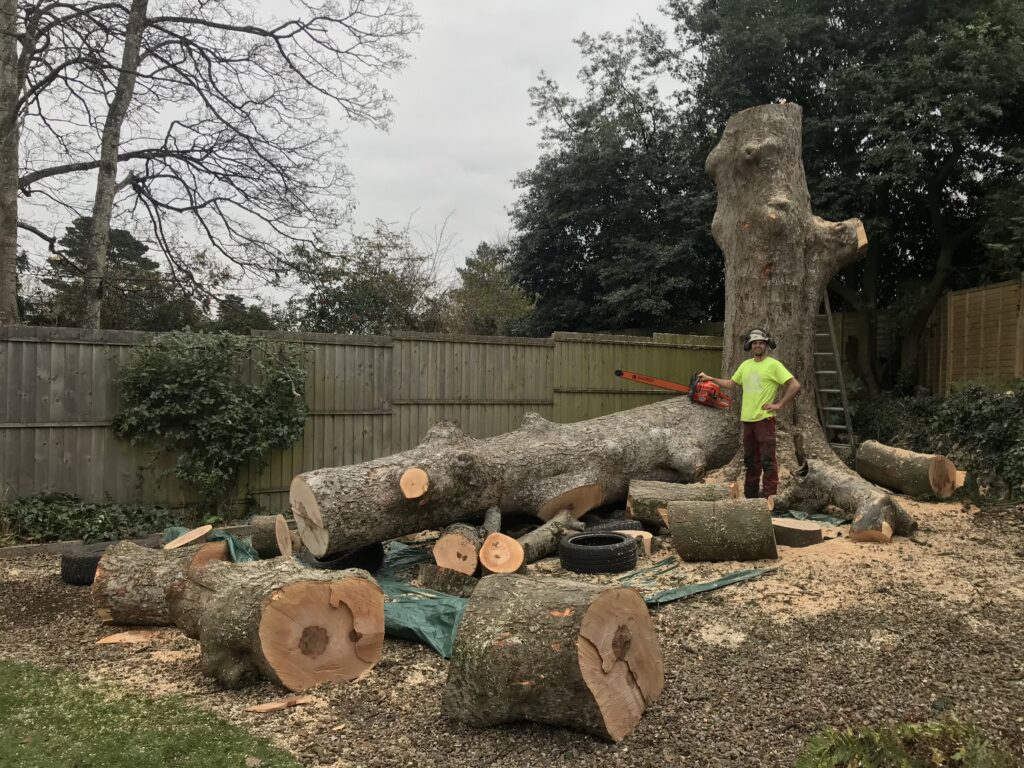
Safety should always remain a priority. Climbing trees, operating chainsaws and working near unstable limbs involve significant hazards. Professional tree surgeons possess training, equipment and experience designed to manage these risks responsibly.
Many people assume trees only need attention when something goes wrong. In reality, proactive management often provides the best outcomes. Young trees benefit from formative pruning, mature trees benefit from inspections, and older specimens may require targeted interventions to maximise longevity.
At First Cut Trees & Landscaping, tree assessment begins with understanding the individual tree, its surroundings and your objectives. Recommendations should be proportionate, practical and focused on long-term outcomes. Whether you are concerned about safety, appearance, disease or growth management, professional advice can provide reassurance.
If you notice dead branches, unusual leaf loss, structural damage, excessive growth or any changes causing concern, arranging an inspection is a sensible next step. Timely tree care helps preserve the value, beauty and safety of your landscape while reducing the likelihood of avoidable problems in the future.Key Takeaways
• Tree surgeons help maintain tree health and safety.
• Signs include dead branches, disease, storm damage and structural issues.
• Professional inspections identify risks before they become emergencies.
• Tree surgery supports healthy growth and protects nearby property.
• Qualified specialists use the correct techniques and equipment.
Many homeowners ask: “Do I need a tree surgeon?”, “When should a tree be inspected?” or “How do I know if a tree is dangerous?” Trees add beauty, shade, wildlife value and character, yet they can also develop issues requiring professional attention. Understanding the warning signs can help protect both your trees and your property.
A tree surgeon is a trained professional specialising in tree care, maintenance, risk reduction and tree management. Their work extends far beyond tree removal. Services commonly include pruning, crown reduction, crown lifting, deadwood removal, planting advice, inspections and emergency call-outs following storms.
One of the clearest reasons to contact a tree surgeon is visible deadwood. Dead branches can fall unexpectedly, particularly during windy weather. Even relatively small branches may cause injury or property damage. Professional removal reduces risk while helping maintain an attractive canopy shape.
Disease is another common concern. Symptoms vary depending on species and condition, but warning signs can include unusual leaf loss, discolouration, fungal growth, dieback, bark abnormalities and reduced vigour. Early diagnosis often provides more management options than waiting until decline becomes severe.
Storm damage frequently highlights weaknesses that were previously hidden. Split limbs, hanging branches, cracked stems and compromised root systems require prompt assessment. Attempting to manage damaged trees without specialist equipment can be dangerous. Tree surgeons are trained to work safely at height and assess structural stability.
Trees growing close to buildings occasionally require management. While trees offer many benefits, branches may begin contacting roofs, blocking light or interfering with access routes. Appropriate pruning can balance aesthetics, growth and practical requirements. The objective is usually to retain the tree wherever possible while addressing specific concerns.
Overgrown trees are another reason homeowners seek professional help. Trees naturally grow according to species characteristics and environmental conditions. Without periodic maintenance, some trees become excessively dense, affecting light levels and garden usability. Strategic pruning improves structure while preserving health and appearance.
Root-related concerns also warrant expert advice. Surface roots, visible movement, damaged hard landscaping or concerns about proximity to structures should be assessed professionally. Every site is different, making accurate evaluation important before decisions are taken.
Regular inspections deliver long-term benefits. Trees can develop defects gradually. Small cracks, weak branch unions or early signs of disease may not be obvious to untrained observers. Routine assessments help identify issues before they escalate. Preventative management is often more cost-effective than emergency works.
Tree surgeons also play an important role in supporting tree health. Correct pruning techniques encourage strong growth patterns and reduce unnecessary stress. Poor pruning practices can create long-term problems, increase disease susceptibility and affect structural integrity. Selecting qualified professionals helps ensure work follows recognised arboricultural standards.
Safety should always remain a priority. Climbing trees, operating chainsaws and working near unstable limbs involve significant hazards. Professional tree surgeons possess training, equipment and experience designed to manage these risks responsibly.
Many people assume trees only need attention when something goes wrong. In reality, proactive management often provides the best outcomes. Young trees benefit from formative pruning, mature trees benefit from inspections, and older specimens may require targeted interventions to maximise longevity.
At First Cut Trees & Landscaping, tree assessment begins with understanding the individual tree, its surroundings and your objectives. Recommendations should be proportionate, practical and focused on long-term outcomes. Whether you are concerned about safety, appearance, disease or growth management, professional advice can provide reassurance.
If you notice dead branches, unusual leaf loss, structural damage, excessive growth or any changes causing concern, arranging an inspection is a sensible next step. Timely tree care helps preserve the value, beauty and safety of your landscape while reducing the likelihood of avoidable problems in the future.Key Takeaways
• Tree surgeons help maintain tree health and safety.
• Signs include dead branches, disease, storm damage and structural issues.
• Professional inspections identify risks before they become emergencies.
• Tree surgery supports healthy growth and protects nearby property.
• Qualified specialists use the correct techniques and equipment.
Many homeowners ask: “Do I need a tree surgeon?”, “When should a tree be inspected?” or “How do I know if a tree is dangerous?” Trees add beauty, shade, wildlife value and character, yet they can also develop issues requiring professional attention. Understanding the warning signs can help protect both your trees and your property.
A tree surgeon is a trained professional specialising in tree care, maintenance, risk reduction and tree management. Their work extends far beyond tree removal. Services commonly include pruning, crown reduction, crown lifting, deadwood removal, planting advice, inspections and emergency call-outs following storms.
One of the clearest reasons to contact a tree surgeon is visible deadwood. Dead branches can fall unexpectedly, particularly during windy weather. Even relatively small branches may cause injury or property damage. Professional removal reduces risk while helping maintain an attractive canopy shape.
Disease is another common concern. Symptoms vary depending on species and condition, but warning signs can include unusual leaf loss, discolouration, fungal growth, dieback, bark abnormalities and reduced vigour. Early diagnosis often provides more management options than waiting until decline becomes severe.
Storm damage frequently highlights weaknesses that were previously hidden. Split limbs, hanging branches, cracked stems and compromised root systems require prompt assessment. Attempting to manage damaged trees without specialist equipment can be dangerous. Tree surgeons are trained to work safely at height and assess structural stability.
Trees growing close to buildings occasionally require management. While trees offer many benefits, branches may begin contacting roofs, blocking light or interfering with access routes. Appropriate pruning can balance aesthetics, growth and practical requirements. The objective is usually to retain the tree wherever possible while addressing specific concerns.
Overgrown trees are another reason homeowners seek professional help. Trees naturally grow according to species characteristics and environmental conditions. Without periodic maintenance, some trees become excessively dense, affecting light levels and garden usability. Strategic pruning improves structure while preserving health and appearance.
Root-related concerns also warrant expert advice. Surface roots, visible movement, damaged hard landscaping or concerns about proximity to structures should be assessed professionally. Every site is different, making accurate evaluation important before decisions are taken.
Regular inspections deliver long-term benefits. Trees can develop defects gradually. Small cracks, weak branch unions or early signs of disease may not be obvious to untrained observers. Routine assessments help identify issues before they escalate. Preventative management is often more cost-effective than emergency works.
Tree surgeons also play an important role in supporting tree health. Correct pruning techniques encourage strong growth patterns and reduce unnecessary stress. Poor pruning practices can create long-term problems, increase disease susceptibility and affect structural integrity. Selecting qualified professionals helps ensure work follows recognised arboricultural standards.
Safety should always remain a priority. Climbing trees, operating chainsaws and working near unstable limbs involve significant hazards. Professional tree surgeons possess training, equipment and experience designed to manage these risks responsibly.
Many people assume trees only need attention when something goes wrong. In reality, proactive management often provides the best outcomes. Young trees benefit from formative pruning, mature trees benefit from inspections, and older specimens may require targeted interventions to maximise longevity.
At First Cut Trees & Landscaping, tree assessment begins with understanding the individual tree, its surroundings and your objectives. Recommendations should be proportionate, practical and focused on long-term outcomes. Whether you are concerned about safety, appearance, disease or growth management, professional advice can provide reassurance.
If you notice dead branches, unusual leaf loss, structural damage, excessive growth or any changes causing concern, arranging an inspection is a sensible next step. Timely tree care helps preserve the value, beauty and safety of your landscape while reducing the likelihood of avoidable problems in the future.Key Takeaways
• Tree surgeons help maintain tree health and safety.
• Signs include dead branches, disease, storm damage and structural issues.
• Professional inspections identify risks before they become emergencies.
• Tree surgery supports healthy growth and protects nearby property.
• Qualified specialists use the correct techniques and equipment.
Many homeowners ask: “Do I need a tree surgeon?”, “When should a tree be inspected?” or “How do I know if a tree is dangerous?” Trees add beauty, shade, wildlife value and character, yet they can also develop issues requiring professional attention. Understanding the warning signs can help protect both your trees and your property.
A tree surgeon is a trained professional specialising in tree care, maintenance, risk reduction and tree management. Their work extends far beyond tree removal. Services commonly include pruning, crown reduction, crown lifting, deadwood removal, planting advice, inspections and emergency call-outs following storms.
One of the clearest reasons to contact a tree surgeon is visible deadwood. Dead branches can fall unexpectedly, particularly during windy weather. Even relatively small branches may cause injury or property damage. Professional removal reduces risk while helping maintain an attractive canopy shape.
Disease is another common concern. Symptoms vary depending on species and condition, but warning signs can include unusual leaf loss, discolouration, fungal growth, dieback, bark abnormalities and reduced vigour. Early diagnosis often provides more management options than waiting until decline becomes severe.
Storm damage frequently highlights weaknesses that were previously hidden. Split limbs, hanging branches, cracked stems and compromised root systems require prompt assessment. Attempting to manage damaged trees without specialist equipment can be dangerous. Tree surgeons are trained to work safely at height and assess structural stability.
Trees growing close to buildings occasionally require management. While trees offer many benefits, branches may begin contacting roofs, blocking light or interfering with access routes. Appropriate pruning can balance aesthetics, growth and practical requirements. The objective is usually to retain the tree wherever possible while addressing specific concerns.
Overgrown trees are another reason homeowners seek professional help. Trees naturally grow according to species characteristics and environmental conditions. Without periodic maintenance, some trees become excessively dense, affecting light levels and garden usability. Strategic pruning improves structure while preserving health and appearance.
Root-related concerns also warrant expert advice. Surface roots, visible movement, damaged hard landscaping or concerns about proximity to structures should be assessed professionally. Every site is different, making accurate evaluation important before decisions are taken.
Regular inspections deliver long-term benefits. Trees can develop defects gradually. Small cracks, weak branch unions or early signs of disease may not be obvious to untrained observers. Routine assessments help identify issues before they escalate. Preventative management is often more cost-effective than emergency works.
Tree surgeons also play an important role in supporting tree health. Correct pruning techniques encourage strong growth patterns and reduce unnecessary stress. Poor pruning practices can create long-term problems, increase disease susceptibility and affect structural integrity. Selecting qualified professionals helps ensure work follows recognised arboricultural standards.
Safety should always remain a priority. Climbing trees, operating chainsaws and working near unstable limbs involve significant hazards. Professional tree surgeons possess training, equipment and experience designed to manage these risks responsibly.
Many people assume trees only need attention when something goes wrong. In reality, proactive management often provides the best outcomes. Young trees benefit from formative pruning, mature trees benefit from inspections, and older specimens may require targeted interventions to maximise longevity.
At First Cut Trees & Landscaping, tree assessment begins with understanding the individual tree, its surroundings and your objectives. Recommendations should be proportionate, practical and focused on long-term outcomes. Whether you are concerned about safety, appearance, disease or growth management, professional advice can provide reassurance.
If you notice dead branches, unusual leaf loss, structural damage, excessive growth or any changes causing concern, arranging an inspection is a sensible next step. Timely tree care helps preserve the value, beauty and safety of your landscape while reducing the likelihood of avoidable problems in the future.
When Do I Need a Tree Surgeon?