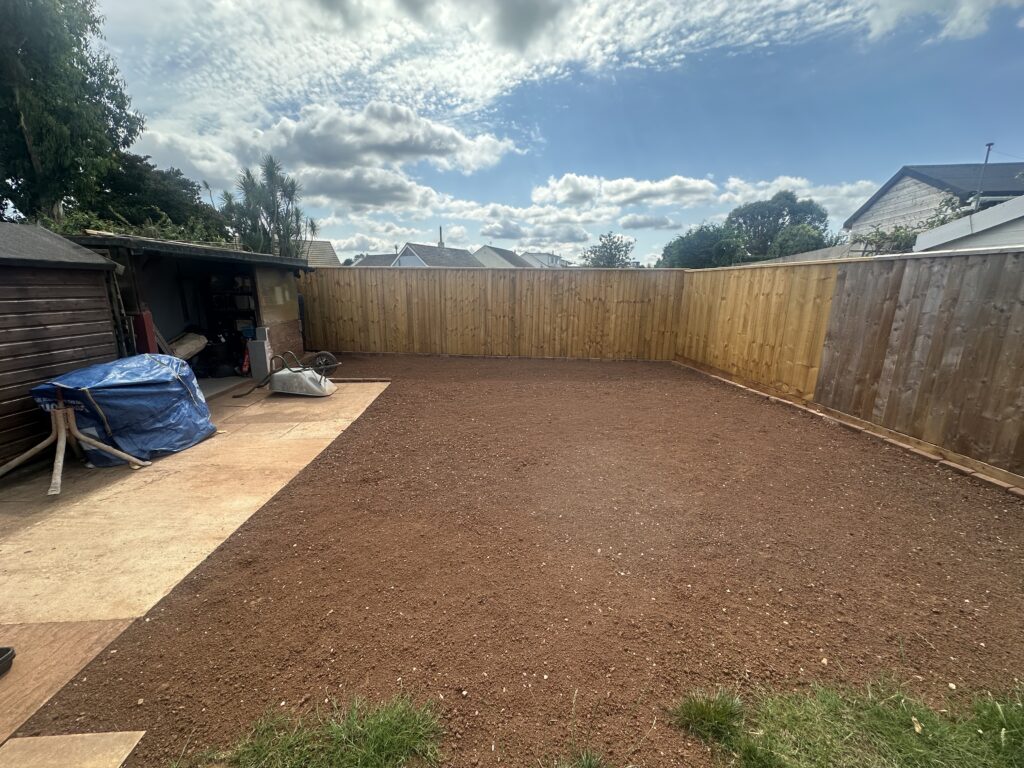

Garden fences do far more than mark boundaries. They provide privacy, improve security, frame your outdoor space and contribute significantly to kerb appeal. Yet many homeowners postpone fence replacement until panels fail completely. Summer and early autumn are often the ideal time to replace ageing fencing.
Key Takeaways
• Replacing a damaged fence prevents more expensive repairs later.
• New fencing improves privacy, security and property appearance.
• Warm, dry conditions help installation projects run smoothly.
• Modern fencing materials offer improved durability and lower maintenance.
• Professional installation ensures long-term performance.
When people search questions such as “when should I replace my fence”, “garden fence replacement near me”, or “how do I know if my fence needs replacing”, they are often noticing leaning posts, rotting timber, loose boards or recurring repair costs. Replacing an ageing fence before winter weather arrives can save money and provide immediate visual improvement.
A fence is constantly exposed to rain, sunlight, wind and changing temperatures. Over time, timber can rot, fixings loosen and panels weaken. While small repairs may extend lifespan temporarily, there comes a point where replacement offers better long-term value. Many homeowners are surprised by how dramatically a new fence transforms a garden.
One of the biggest reasons to replace a fence now is weather readiness. Strong autumn winds and winter storms frequently expose weaknesses that developed during previous seasons. A fence already showing signs of deterioration is more likely to fail during severe weather. Taking action while conditions are favourable allows installation to be completed without delays caused by heavy rainfall or saturated ground.
Privacy remains one of the most common motivations for upgrading fencing. Mature gardens change over time. Trees are removed, neighbouring properties evolve and sightlines can increase unexpectedly. Modern fencing solutions provide improved screening without compromising appearance. Whether you prefer traditional featheredge fencing, contemporary slatted designs or decorative panels, replacing an outdated fence can instantly create a more comfortable and private outdoor environment.
Security is another major benefit. Weak fence panels, loose posts and damaged gates can create opportunities for unwanted access. Families with children or pets often find new fencing significantly improves peace of mind. Secure boundaries help define outdoor spaces and reduce concerns about safety.
From a property presentation perspective, fencing plays a substantial role in first impressions. Estate agents frequently highlight external appearance because buyers form opinions quickly. A worn or damaged fence can make an otherwise well-maintained property look neglected. In contrast, clean, professionally installed fencing creates structure and enhances landscaping features.
Many people continue repairing old fences because individual fixes seem inexpensive. However, repeated replacement of panels, posts and rails can become costly. When multiple elements are reaching the end of their lifespan, a complete replacement often provides superior value. Modern pressure-treated timber products are designed to offer long service life with appropriate maintenance.
Environmental considerations also influence replacement decisions. Modern sourcing practices and sustainable timber options allow homeowners to invest in fencing that balances durability and responsible material choices. Professional installers can advise on options suited to specific site conditions and design goals.
Choosing the right style is equally important. Traditional fencing suits many homes, while contemporary gardens may benefit from horizontal slatted systems or decorative screening features. The best solution depends on privacy needs, exposure levels, maintenance expectations and overall landscape design.
Professional installation provides several advantages. Experienced contractors assess ground conditions, ensure correct post depth, maintain consistent alignment and select suitable materials. These details influence longevity and appearance. Poorly installed fencing may develop problems much sooner than properly constructed systems.
First Cut Trees & Landscaping regularly helps homeowners identify when repair is no longer the most economical option. A professional assessment can determine whether targeted repairs or full replacement represents the smarter investment. Each property presents unique challenges, from sloping ground to difficult access and exposure to prevailing winds.
Ultimately, replacing your old garden fence is about protecting your property, improving usability and enhancing appearance. Acting before significant deterioration or storm damage occurs allows greater choice, fewer disruptions and a stronger long-term result. If your fence is leaning, rotting or requiring repeated maintenance, now may be the ideal time to invest in a professional replacement.Garden fences do far more than mark boundaries. They provide privacy, improve security, frame your outdoor space and contribute significantly to kerb appeal. Yet many homeowners postpone fence replacement until panels fail completely. Summer and early autumn are often the ideal time to replace ageing fencing.
Key Takeaways
• Replacing a damaged fence prevents more expensive repairs later.
• New fencing improves privacy, security and property appearance.
• Warm, dry conditions help installation projects run smoothly.
• Modern fencing materials offer improved durability and lower maintenance.
• Professional installation ensures long-term performance.
When people search questions such as “when should I replace my fence”, “garden fence replacement near me”, or “how do I know if my fence needs replacing”, they are often noticing leaning posts, rotting timber, loose boards or recurring repair costs. Replacing an ageing fence before winter weather arrives can save money and provide immediate visual improvement.
A fence is constantly exposed to rain, sunlight, wind and changing temperatures. Over time, timber can rot, fixings loosen and panels weaken. While small repairs may extend lifespan temporarily, there comes a point where replacement offers better long-term value. Many homeowners are surprised by how dramatically a new fence transforms a garden.
One of the biggest reasons to replace a fence now is weather readiness. Strong autumn winds and winter storms frequently expose weaknesses that developed during previous seasons. A fence already showing signs of deterioration is more likely to fail during severe weather. Taking action while conditions are favourable allows installation to be completed without delays caused by heavy rainfall or saturated ground.
Privacy remains one of the most common motivations for upgrading fencing. Mature gardens change over time. Trees are removed, neighbouring properties evolve and sightlines can increase unexpectedly. Modern fencing solutions provide improved screening without compromising appearance. Whether you prefer traditional featheredge fencing, contemporary slatted designs or decorative panels, replacing an outdated fence can instantly create a more comfortable and private outdoor environment.
Security is another major benefit. Weak fence panels, loose posts and damaged gates can create opportunities for unwanted access. Families with children or pets often find new fencing significantly improves peace of mind. Secure boundaries help define outdoor spaces and reduce concerns about safety.
From a property presentation perspective, fencing plays a substantial role in first impressions. Estate agents frequently highlight external appearance because buyers form opinions quickly. A worn or damaged fence can make an otherwise well-maintained property look neglected. In contrast, clean, professionally installed fencing creates structure and enhances landscaping features.
Many people continue repairing old fences because individual fixes seem inexpensive. However, repeated replacement of panels, posts and rails can become costly. When multiple elements are reaching the end of their lifespan, a complete replacement often provides superior value. Modern pressure-treated timber products are designed to offer long service life with appropriate maintenance.
Environmental considerations also influence replacement decisions. Modern sourcing practices and sustainable timber options allow homeowners to invest in fencing that balances durability and responsible material choices. Professional installers can advise on options suited to specific site conditions and design goals.
Choosing the right style is equally important. Traditional fencing suits many homes, while contemporary gardens may benefit from horizontal slatted systems or decorative screening features. The best solution depends on privacy needs, exposure levels, maintenance expectations and overall landscape design.
Professional installation provides several advantages. Experienced contractors assess ground conditions, ensure correct post depth, maintain consistent alignment and select suitable materials. These details influence longevity and appearance. Poorly installed fencing may develop problems much sooner than properly constructed systems.
First Cut Trees & Landscaping regularly helps homeowners identify when repair is no longer the most economical option. A professional assessment can determine whether targeted repairs or full replacement represents the smarter investment. Each property presents unique challenges, from sloping ground to difficult access and exposure to prevailing winds.
Ultimately, replacing your old garden fence is about protecting your property, improving usability and enhancing appearance. Acting before significant deterioration or storm damage occurs allows greater choice, fewer disruptions and a stronger long-term result. If your fence is leaning, rotting or requiring repeated maintenance, now may be the ideal time to invest in a professional replacement.Garden fences do far more than mark boundaries. They provide privacy, improve security, frame your outdoor space and contribute significantly to kerb appeal. Yet many homeowners postpone fence replacement until panels fail completely. Summer and early autumn are often the ideal time to replace ageing fencing.
Key Takeaways
• Replacing a damaged fence prevents more expensive repairs later.
• New fencing improves privacy, security and property appearance.
• Warm, dry conditions help installation projects run smoothly.
• Modern fencing materials offer improved durability and lower maintenance.
• Professional installation ensures long-term performance.
When people search questions such as “when should I replace my fence”, “garden fence replacement near me”, or “how do I know if my fence needs replacing”, they are often noticing leaning posts, rotting timber, loose boards or recurring repair costs. Replacing an ageing fence before winter weather arrives can save money and provide immediate visual improvement.
A fence is constantly exposed to rain, sunlight, wind and changing temperatures. Over time, timber can rot, fixings loosen and panels weaken. While small repairs may extend lifespan temporarily, there comes a point where replacement offers better long-term value. Many homeowners are surprised by how dramatically a new fence transforms a garden.
One of the biggest reasons to replace a fence now is weather readiness. Strong autumn winds and winter storms frequently expose weaknesses that developed during previous seasons. A fence already showing signs of deterioration is more likely to fail during severe weather. Taking action while conditions are favourable allows installation to be completed without delays caused by heavy rainfall or saturated ground.
Privacy remains one of the most common motivations for upgrading fencing. Mature gardens change over time. Trees are removed, neighbouring properties evolve and sightlines can increase unexpectedly. Modern fencing solutions provide improved screening without compromising appearance. Whether you prefer traditional featheredge fencing, contemporary slatted designs or decorative panels, replacing an outdated fence can instantly create a more comfortable and private outdoor environment.
Security is another major benefit. Weak fence panels, loose posts and damaged gates can create opportunities for unwanted access. Families with children or pets often find new fencing significantly improves peace of mind. Secure boundaries help define outdoor spaces and reduce concerns about safety.
From a property presentation perspective, fencing plays a substantial role in first impressions. Estate agents frequently highlight external appearance because buyers form opinions quickly. A worn or damaged fence can make an otherwise well-maintained property look neglected. In contrast, clean, professionally installed fencing creates structure and enhances landscaping features.
Many people continue repairing old fences because individual fixes seem inexpensive. However, repeated replacement of panels, posts and rails can become costly. When multiple elements are reaching the end of their lifespan, a complete replacement often provides superior value. Modern pressure-treated timber products are designed to offer long service life with appropriate maintenance.
Environmental considerations also influence replacement decisions. Modern sourcing practices and sustainable timber options allow homeowners to invest in fencing that balances durability and responsible material choices. Professional installers can advise on options suited to specific site conditions and design goals.
Choosing the right style is equally important. Traditional fencing suits many homes, while contemporary gardens may benefit from horizontal slatted systems or decorative screening features. The best solution depends on privacy needs, exposure levels, maintenance expectations and overall landscape design.
Professional installation provides several advantages. Experienced contractors assess ground conditions, ensure correct post depth, maintain consistent alignment and select suitable materials. These details influence longevity and appearance. Poorly installed fencing may develop problems much sooner than properly constructed systems.
First Cut Trees & Landscaping regularly helps homeowners identify when repair is no longer the most economical option. A professional assessment can determine whether targeted repairs or full replacement represents the smarter investment. Each property presents unique challenges, from sloping ground to difficult access and exposure to prevailing winds.
Ultimately, replacing your old garden fence is about protecting your property, improving usability and enhancing appearance. Acting before significant deterioration or storm damage occurs allows greater choice, fewer disruptions and a stronger long-term result. If your fence is leaning, rotting or requiring repeated maintenance, now may be the ideal time to invest in a professional replacement.Garden fences do far more than mark boundaries. They provide privacy, improve security, frame your outdoor space and contribute significantly to kerb appeal. Yet many homeowners postpone fence replacement until panels fail completely. Summer and early autumn are often the ideal time to replace ageing fencing.
Key Takeaways
• Replacing a damaged fence prevents more expensive repairs later.
• New fencing improves privacy, security and property appearance.
• Warm, dry conditions help installation projects run smoothly.
• Modern fencing materials offer improved durability and lower maintenance.
• Professional installation ensures long-term performance.
When people search questions such as “when should I replace my fence”, “garden fence replacement near me”, or “how do I know if my fence needs replacing”, they are often noticing leaning posts, rotting timber, loose boards or recurring repair costs. Replacing an ageing fence before winter weather arrives can save money and provide immediate visual improvement.
A fence is constantly exposed to rain, sunlight, wind and changing temperatures. Over time, timber can rot, fixings loosen and panels weaken. While small repairs may extend lifespan temporarily, there comes a point where replacement offers better long-term value. Many homeowners are surprised by how dramatically a new fence transforms a garden.
One of the biggest reasons to replace a fence now is weather readiness. Strong autumn winds and winter storms frequently expose weaknesses that developed during previous seasons. A fence already showing signs of deterioration is more likely to fail during severe weather. Taking action while conditions are favourable allows installation to be completed without delays caused by heavy rainfall or saturated ground.
Privacy remains one of the most common motivations for upgrading fencing. Mature gardens change over time. Trees are removed, neighbouring properties evolve and sightlines can increase unexpectedly. Modern fencing solutions provide improved screening without compromising appearance. Whether you prefer traditional featheredge fencing, contemporary slatted designs or decorative panels, replacing an outdated fence can instantly create a more comfortable and private outdoor environment.
Security is another major benefit. Weak fence panels, loose posts and damaged gates can create opportunities for unwanted access. Families with children or pets often find new fencing significantly improves peace of mind. Secure boundaries help define outdoor spaces and reduce concerns about safety.
From a property presentation perspective, fencing plays a substantial role in first impressions. Estate agents frequently highlight external appearance because buyers form opinions quickly. A worn or damaged fence can make an otherwise well-maintained property look neglected. In contrast, clean, professionally installed fencing creates structure and enhances landscaping features.
Many people continue repairing old fences because individual fixes seem inexpensive. However, repeated replacement of panels, posts and rails can become costly. When multiple elements are reaching the end of their lifespan, a complete replacement often provides superior value. Modern pressure-treated timber products are designed to offer long service life with appropriate maintenance.
Environmental considerations also influence replacement decisions. Modern sourcing practices and sustainable timber options allow homeowners to invest in fencing that balances durability and responsible material choices. Professional installers can advise on options suited to specific site conditions and design goals.
Choosing the right style is equally important. Traditional fencing suits many homes, while contemporary gardens may benefit from horizontal slatted systems or decorative screening features. The best solution depends on privacy needs, exposure levels, maintenance expectations and overall landscape design.
Professional installation provides several advantages. Experienced contractors assess ground conditions, ensure correct post depth, maintain consistent alignment and select suitable materials. These details influence longevity and appearance. Poorly installed fencing may develop problems much sooner than properly constructed systems.
First Cut Trees & Landscaping regularly helps homeowners identify when repair is no longer the most economical option. A professional assessment can determine whether targeted repairs or full replacement represents the smarter investment. Each property presents unique challenges, from sloping ground to difficult access and exposure to prevailing winds.
Ultimately, replacing your old garden fence is about protecting your property, improving usability and enhancing appearance. Acting before significant deterioration or storm damage occurs allows greater choice, fewer disruptions and a stronger long-term result. If your fence is leaning, rotting or requiring repeated maintenance, now may be the ideal time to invest in a professional replacement.
Why Now Is the Perfect Time to Replace Your Old Garden Fence