
Key Takeaways
• Water deeply rather than little and often.
• Focus irrigation on roots during cooler periods.
• Mulching helps retain moisture and reduce stress.
• Lawns may recover naturally after dry conditions.
• Trees, shrubs and newly planted specimens need extra attention.
Heatwaves can place considerable stress on gardens. Homeowners often search for advice such as “how to protect plants in hot weather”, “best time to water the garden during a heatwave” and “how to stop plants from drying out”. While high temperatures create challenges, targeted maintenance can help gardens remain healthy throughout prolonged dry conditions.
Water management is one of the most important factors. The goal is to encourage deeper root development rather than creating reliance on frequent shallow watering. Deep watering allows moisture to penetrate further into the soil profile where roots can access it for longer periods. Early morning and evening are generally the most effective times because evaporation rates are lower.
Mulching offers substantial benefits during hot weather. Organic materials help reduce moisture loss, moderate soil temperature and gradually contribute to soil quality. A well-applied mulch layer can significantly reduce plant stress while decreasing the frequency of watering.
Newly planted trees and shrubs deserve particular attention. Established plants often possess larger root systems that can access deeper moisture reserves. Younger specimens have not yet developed this advantage and may require supplementary watering during extended dry periods. Monitoring for signs of stress enables problems to be addressed promptly.
Container-grown plants typically dry out faster than those growing in the ground. Pots exposed to direct sunlight can heat up quickly, increasing moisture loss. Checking containers regularly and positioning sensitive plants appropriately can improve resilience during extreme weather.
Lawns frequently cause concern during heatwaves. Grass may become brown or dormant as a natural survival response. This does not necessarily indicate permanent damage. Once temperatures moderate and moisture levels improve, many lawns recover. Avoiding excessively short mowing helps reduce stress and shades the soil surface.
Weeding becomes even more important during dry conditions because unwanted plants compete for limited moisture and nutrients. Removing weeds helps direct available resources toward desirable planting. Consistent maintenance can improve overall garden performance throughout challenging weather periods.
Feeding practices should be considered carefully. Applying fertiliser without appropriate moisture can sometimes increase stress. Assessing plant condition and following product guidance helps ensure treatments are suitable for prevailing conditions.
Trees contribute significantly to heatwave resilience. Mature trees provide shade, reduce local temperatures and support biodiversity. Caring for existing trees through appropriate inspections and maintenance helps preserve these benefits. Newly planted trees may need additional watering support while developing root systems become established.
Garden design can also influence performance during hot weather. Thoughtful planting selection, improved soil structure, efficient irrigation and strategic shade provision all contribute to long-term resilience. Gardens designed with changing weather patterns in mind often require less intervention during temperature extremes.
Signs of heat stress include wilting, scorched leaf edges, premature leaf drop and slowed growth. While some temporary symptoms may be expected during severe heat, persistent decline should be investigated further. Early action frequently prevents small problems becoming significant losses.
Healthy soil is often the foundation of success. Soil rich in organic matter generally retains moisture more effectively and supports stronger root development. Long-term soil improvement provides ongoing benefits far beyond a single heatwave.
First Cut Trees & Landscaping supports homeowners with practical advice and professional garden care designed to help outdoor spaces thrive throughout the year. From tree management and planting recommendations to garden maintenance and landscaping improvements, proactive planning can improve resilience during challenging weather conditions.
Heatwaves can be demanding, but they do not have to result in major garden damage. By focusing on deep watering, mulching, soil care, sensible maintenance and targeted support for vulnerable plants, you can help create a healthier, stronger and more resilient garden capable of performing well even during prolonged periods of hot weather.Key Takeaways
• Water deeply rather than little and often.
• Focus irrigation on roots during cooler periods.
• Mulching helps retain moisture and reduce stress.
• Lawns may recover naturally after dry conditions.
• Trees, shrubs and newly planted specimens need extra attention.
Heatwaves can place considerable stress on gardens. Homeowners often search for advice such as “how to protect plants in hot weather”, “best time to water the garden during a heatwave” and “how to stop plants from drying out”. While high temperatures create challenges, targeted maintenance can help gardens remain healthy throughout prolonged dry conditions.
Water management is one of the most important factors. The goal is to encourage deeper root development rather than creating reliance on frequent shallow watering. Deep watering allows moisture to penetrate further into the soil profile where roots can access it for longer periods. Early morning and evening are generally the most effective times because evaporation rates are lower.
Mulching offers substantial benefits during hot weather. Organic materials help reduce moisture loss, moderate soil temperature and gradually contribute to soil quality. A well-applied mulch layer can significantly reduce plant stress while decreasing the frequency of watering.
Newly planted trees and shrubs deserve particular attention. Established plants often possess larger root systems that can access deeper moisture reserves. Younger specimens have not yet developed this advantage and may require supplementary watering during extended dry periods. Monitoring for signs of stress enables problems to be addressed promptly.
Container-grown plants typically dry out faster than those growing in the ground. Pots exposed to direct sunlight can heat up quickly, increasing moisture loss. Checking containers regularly and positioning sensitive plants appropriately can improve resilience during extreme weather.
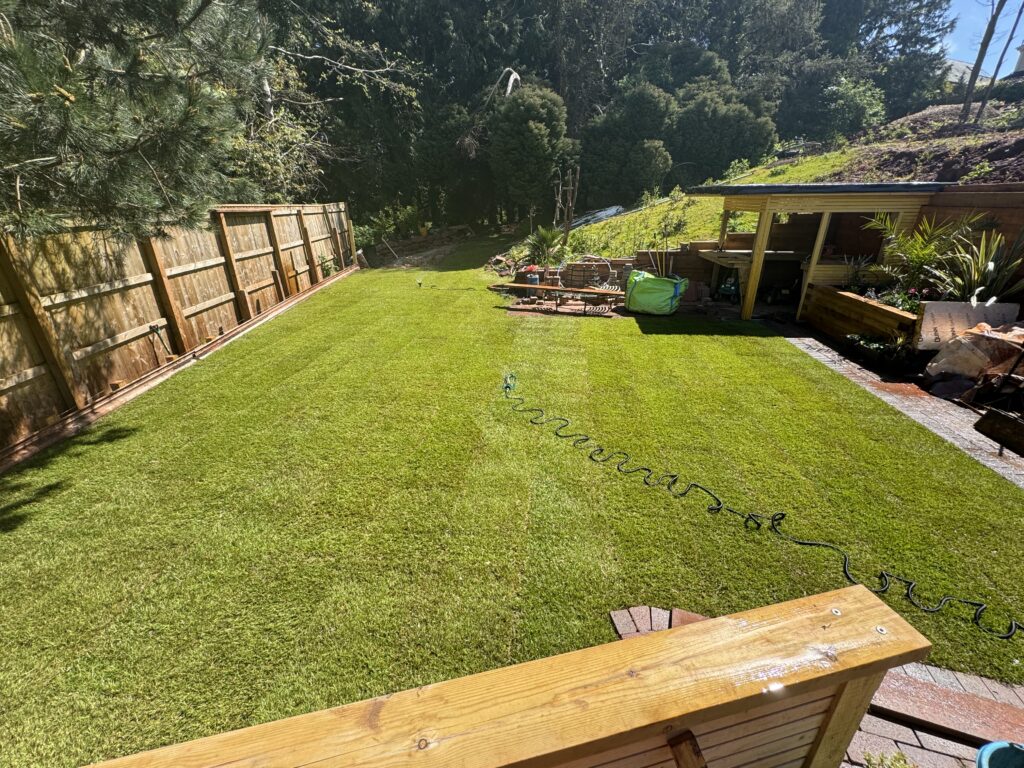
Lawns frequently cause concern during heatwaves. Grass may become brown or dormant as a natural survival response. This does not necessarily indicate permanent damage. Once temperatures moderate and moisture levels improve, many lawns recover. Avoiding excessively short mowing helps reduce stress and shades the soil surface.
Weeding becomes even more important during dry conditions because unwanted plants compete for limited moisture and nutrients. Removing weeds helps direct available resources toward desirable planting. Consistent maintenance can improve overall garden performance throughout challenging weather periods.
Feeding practices should be considered carefully. Applying fertiliser without appropriate moisture can sometimes increase stress. Assessing plant condition and following product guidance helps ensure treatments are suitable for prevailing conditions.
Trees contribute significantly to heatwave resilience. Mature trees provide shade, reduce local temperatures and support biodiversity. Caring for existing trees through appropriate inspections and maintenance helps preserve these benefits. Newly planted trees may need additional watering support while developing root systems become established.
Garden design can also influence performance during hot weather. Thoughtful planting selection, improved soil structure, efficient irrigation and strategic shade provision all contribute to long-term resilience. Gardens designed with changing weather patterns in mind often require less intervention during temperature extremes.
Signs of heat stress include wilting, scorched leaf edges, premature leaf drop and slowed growth. While some temporary symptoms may be expected during severe heat, persistent decline should be investigated further. Early action frequently prevents small problems becoming significant losses.
Healthy soil is often the foundation of success. Soil rich in organic matter generally retains moisture more effectively and supports stronger root development. Long-term soil improvement provides ongoing benefits far beyond a single heatwave.
First Cut Trees & Landscaping supports homeowners with practical advice and professional garden care designed to help outdoor spaces thrive throughout the year. From tree management and planting recommendations to garden maintenance and landscaping improvements, proactive planning can improve resilience during challenging weather conditions.
Heatwaves can be demanding, but they do not have to result in major garden damage. By focusing on deep watering, mulching, soil care, sensible maintenance and targeted support for vulnerable plants, you can help create a healthier, stronger and more resilient garden capable of performing well even during prolonged periods of hot weather.Key Takeaways
• Water deeply rather than little and often.
• Focus irrigation on roots during cooler periods.
• Mulching helps retain moisture and reduce stress.
• Lawns may recover naturally after dry conditions.
• Trees, shrubs and newly planted specimens need extra attention.
Heatwaves can place considerable stress on gardens. Homeowners often search for advice such as “how to protect plants in hot weather”, “best time to water the garden during a heatwave” and “how to stop plants from drying out”. While high temperatures create challenges, targeted maintenance can help gardens remain healthy throughout prolonged dry conditions.
Water management is one of the most important factors. The goal is to encourage deeper root development rather than creating reliance on frequent shallow watering. Deep watering allows moisture to penetrate further into the soil profile where roots can access it for longer periods. Early morning and evening are generally the most effective times because evaporation rates are lower.
Mulching offers substantial benefits during hot weather. Organic materials help reduce moisture loss, moderate soil temperature and gradually contribute to soil quality. A well-applied mulch layer can significantly reduce plant stress while decreasing the frequency of watering.
Newly planted trees and shrubs deserve particular attention. Established plants often possess larger root systems that can access deeper moisture reserves. Younger specimens have not yet developed this advantage and may require supplementary watering during extended dry periods. Monitoring for signs of stress enables problems to be addressed promptly.
Container-grown plants typically dry out faster than those growing in the ground. Pots exposed to direct sunlight can heat up quickly, increasing moisture loss. Checking containers regularly and positioning sensitive plants appropriately can improve resilience during extreme weather.
Lawns frequently cause concern during heatwaves. Grass may become brown or dormant as a natural survival response. This does not necessarily indicate permanent damage. Once temperatures moderate and moisture levels improve, many lawns recover. Avoiding excessively short mowing helps reduce stress and shades the soil surface.
Weeding becomes even more important during dry conditions because unwanted plants compete for limited moisture and nutrients. Removing weeds helps direct available resources toward desirable planting. Consistent maintenance can improve overall garden performance throughout challenging weather periods.
Feeding practices should be considered carefully. Applying fertiliser without appropriate moisture can sometimes increase stress. Assessing plant condition and following product guidance helps ensure treatments are suitable for prevailing conditions.
Trees contribute significantly to heatwave resilience. Mature trees provide shade, reduce local temperatures and support biodiversity. Caring for existing trees through appropriate inspections and maintenance helps preserve these benefits. Newly planted trees may need additional watering support while developing root systems become established.
Garden design can also influence performance during hot weather. Thoughtful planting selection, improved soil structure, efficient irrigation and strategic shade provision all contribute to long-term resilience. Gardens designed with changing weather patterns in mind often require less intervention during temperature extremes.
Signs of heat stress include wilting, scorched leaf edges, premature leaf drop and slowed growth. While some temporary symptoms may be expected during severe heat, persistent decline should be investigated further. Early action frequently prevents small problems becoming significant losses.
Healthy soil is often the foundation of success. Soil rich in organic matter generally retains moisture more effectively and supports stronger root development. Long-term soil improvement provides ongoing benefits far beyond a single heatwave.
First Cut Trees & Landscaping supports homeowners with practical advice and professional garden care designed to help outdoor spaces thrive throughout the year. From tree management and planting recommendations to garden maintenance and landscaping improvements, proactive planning can improve resilience during challenging weather conditions.
Heatwaves can be demanding, but they do not have to result in major garden damage. By focusing on deep watering, mulching, soil care, sensible maintenance and targeted support for vulnerable plants, you can help create a healthier, stronger and more resilient garden capable of performing well even during prolonged periods of hot weather.Key Takeaways
• Water deeply rather than little and often.
• Focus irrigation on roots during cooler periods.
• Mulching helps retain moisture and reduce stress.
• Lawns may recover naturally after dry conditions.
• Trees, shrubs and newly planted specimens need extra attention.
Heatwaves can place considerable stress on gardens. Homeowners often search for advice such as “how to protect plants in hot weather”, “best time to water the garden during a heatwave” and “how to stop plants from drying out”. While high temperatures create challenges, targeted maintenance can help gardens remain healthy throughout prolonged dry conditions.
Water management is one of the most important factors. The goal is to encourage deeper root development rather than creating reliance on frequent shallow watering. Deep watering allows moisture to penetrate further into the soil profile where roots can access it for longer periods. Early morning and evening are generally the most effective times because evaporation rates are lower.
Mulching offers substantial benefits during hot weather. Organic materials help reduce moisture loss, moderate soil temperature and gradually contribute to soil quality. A well-applied mulch layer can significantly reduce plant stress while decreasing the frequency of watering.
Newly planted trees and shrubs deserve particular attention. Established plants often possess larger root systems that can access deeper moisture reserves. Younger specimens have not yet developed this advantage and may require supplementary watering during extended dry periods. Monitoring for signs of stress enables problems to be addressed promptly.
Container-grown plants typically dry out faster than those growing in the ground. Pots exposed to direct sunlight can heat up quickly, increasing moisture loss. Checking containers regularly and positioning sensitive plants appropriately can improve resilience during extreme weather.
Lawns frequently cause concern during heatwaves. Grass may become brown or dormant as a natural survival response. This does not necessarily indicate permanent damage. Once temperatures moderate and moisture levels improve, many lawns recover. Avoiding excessively short mowing helps reduce stress and shades the soil surface.
Weeding becomes even more important during dry conditions because unwanted plants compete for limited moisture and nutrients. Removing weeds helps direct available resources toward desirable planting. Consistent maintenance can improve overall garden performance throughout challenging weather periods.
Feeding practices should be considered carefully. Applying fertiliser without appropriate moisture can sometimes increase stress. Assessing plant condition and following product guidance helps ensure treatments are suitable for prevailing conditions.
Trees contribute significantly to heatwave resilience. Mature trees provide shade, reduce local temperatures and support biodiversity. Caring for existing trees through appropriate inspections and maintenance helps preserve these benefits. Newly planted trees may need additional watering support while developing root systems become established.
Garden design can also influence performance during hot weather. Thoughtful planting selection, improved soil structure, efficient irrigation and strategic shade provision all contribute to long-term resilience. Gardens designed with changing weather patterns in mind often require less intervention during temperature extremes.
Signs of heat stress include wilting, scorched leaf edges, premature leaf drop and slowed growth. While some temporary symptoms may be expected during severe heat, persistent decline should be investigated further. Early action frequently prevents small problems becoming significant losses.
Healthy soil is often the foundation of success. Soil rich in organic matter generally retains moisture more effectively and supports stronger root development. Long-term soil improvement provides ongoing benefits far beyond a single heatwave.
First Cut Trees & Landscaping supports homeowners with practical advice and professional garden care designed to help outdoor spaces thrive throughout the year. From tree management and planting recommendations to garden maintenance and landscaping improvements, proactive planning can improve resilience during challenging weather conditions.
Heatwaves can be demanding, but they do not have to result in major garden damage. By focusing on deep watering, mulching, soil care, sensible maintenance and targeted support for vulnerable plants, you can help create a healthier, stronger and more resilient garden capable of performing well even during prolonged periods of hot weather.
How to Keep Your Garden Healthy During a Heatwave