

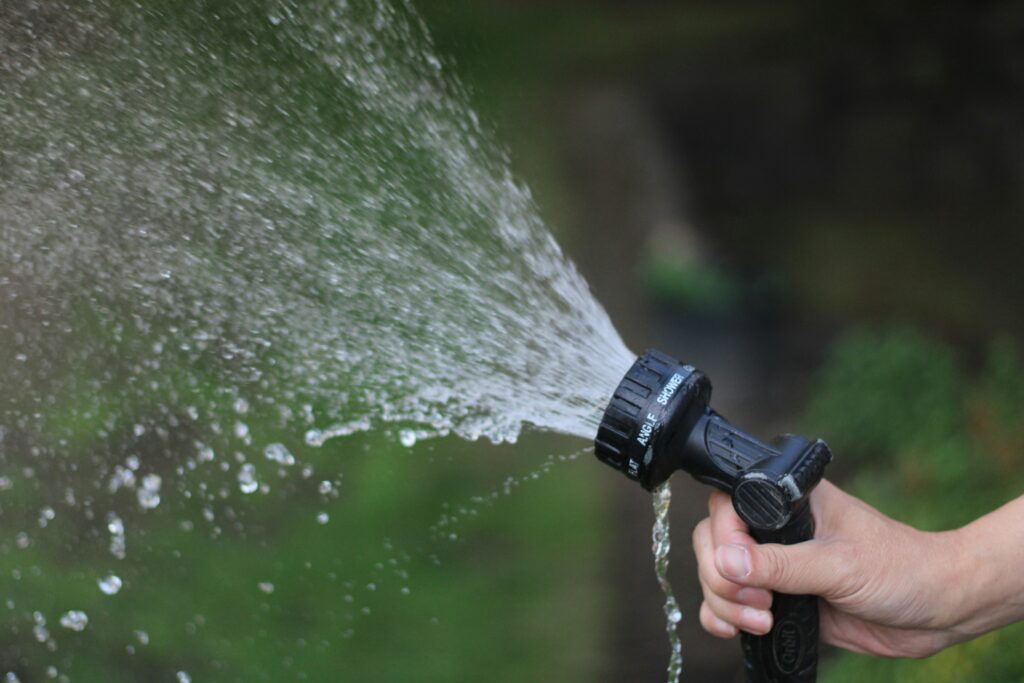
As many Devon residents will already know, South West Water’s hosepipe ban is currently in force across Devon, Cornwall, parts of Dorset and Somerset, and the Isles of Scilly following one of the driest periods in recent years. The restrictions have been introduced to help protect local water supplies during ongoing drought conditions.
If you’re a proud gardener, the news may have left you wondering how you’re supposed to keep your garden looking its best throughout the remainder of summer. The good news is that while hosepipes are restricted for many uses, there are still plenty of ways to care for your garden responsibly and legally.
What Does the Hosepipe Ban Mean for Gardeners?
Under the current restrictions, you cannot use a hosepipe, sprinkler, irrigation system connected directly to mains water, or pressure washer to water lawns, flower beds or general garden areas.
However, South West Water does allow certain exemptions for gardening and landscaping activities.
Exemptions for Trees, Hedges and Food Crops
Many people are surprised to learn that some newly planted vegetation can still be watered using a hosepipe where necessary.
South West Water permits watering of:
- Trees, hedges and saplings planted within the last planting season where watering with a watering can is not feasible.
- Newly purchased plants during their first 14 days after purchase.
- Food crops grown at home or on private allotments where watering with a watering can is not feasible.
- Drip or trickle irrigation systems fitted with pressure-reducing valves that deliver water directly to the soil.
This is particularly important for newly planted trees. Young trees haven’t yet established deep root systems and can become stressed or even die during prolonged dry periods if they receive insufficient water.
Focus on Protecting Your Investment
If you’ve recently invested in landscaping, turfing, planting schemes or tree works, the current drought conditions make aftercare more important than ever.
Rather than trying to keep every inch of lawn green, prioritise:
1. Newly Planted Trees
Young trees are the most vulnerable plants in the garden during drought conditions. Water deeply and less frequently to encourage roots to grow downwards.
2. New Shrubs and Hedges
New hedging plants require consistent moisture to establish themselves. Check soil moisture regularly and water only when necessary.
3. Fruit and Vegetable Gardens
Home-grown produce remains protected under the exemptions where watering cans are impractical. Keeping food crops healthy avoids wasted effort and unnecessary plant loss.
Smart Water-Saving Tips for Every Garden
Even without a hosepipe, there are several ways to help your garden cope during a dry spell.
Mulch Your Borders
Adding bark mulch, compost or decorative aggregate around plants helps lock moisture into the soil and reduces evaporation.
Water Early or Late
If using a watering can, water during the early morning or late evening when temperatures are lower and evaporation is reduced. South West Water also recommends watering during cooler parts of the day for maximum efficiency.
Collect Rainwater
Any stored rainwater in water butts can still be used freely, as the restrictions only apply to mains water supplies.
Let Lawns Go Dormant
Brown lawns may not look ideal, but most established lawns are remarkably resilient. Grass will often recover naturally once cooler, wetter weather arrives.
Weed Regularly
Weeds compete with your plants for valuable moisture. Keeping beds weed-free means more water reaches the plants you actually want to grow.
Think Long-Term
The South West has experienced increasingly frequent periods of hot, dry weather in recent years. While nobody enjoys a hosepipe ban, it highlights the importance of creating drought-resilient gardens.
At First Cut Trees & Landscaping, we’re seeing growing demand for:
- Drought-tolerant planting schemes
- Water-efficient irrigation solutions
- Mulching and soil improvement
- Tree planting with improved water retention systems
- Sustainable landscaping designs that require less maintenance
These approaches not only help gardens cope during restrictions but can also reduce water usage throughout the year.
Need Advice for Your Garden?
Every garden responds differently to drought conditions. Whether you’ve recently planted trees, installed new landscaping, or simply want practical advice on keeping your outdoor space healthy during the hosepipe ban, our team is here to help.
Get in touch with First Cut Trees & Landscaping for expert guidance on maintaining a beautiful, sustainable garden through Devon’s challenging summer conditions.